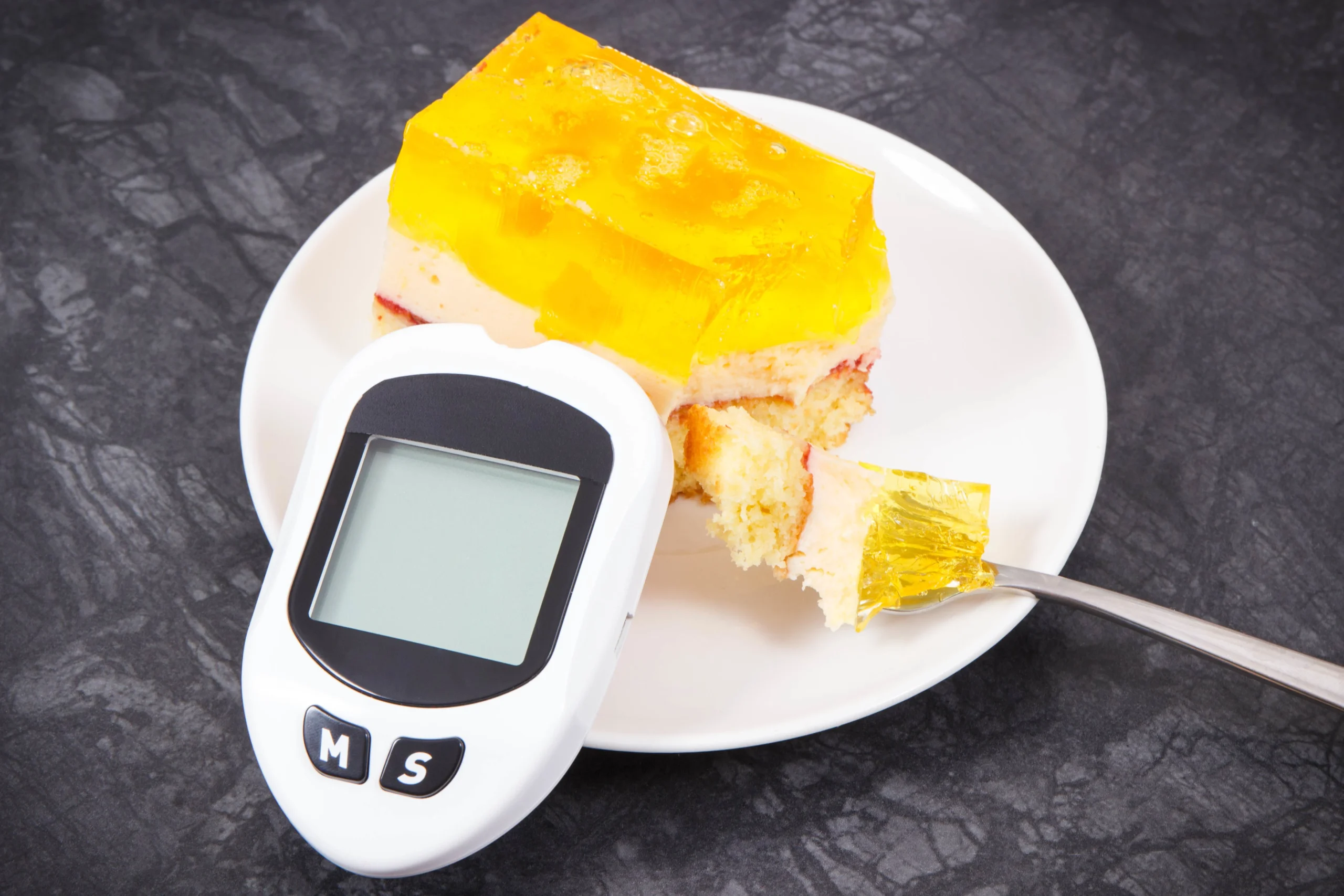
There was a time when I genuinely believed my energy crashes were unpredictable. Some days I felt sharp and focused after breakfast. Other days, the same meal left me tired, foggy, and irritable.
As a wellness explorer, I couldn’t ignore that inconsistency. So I began using Real-Time Glucose Monitoring to observe what was really happening inside my body. And what I discovered changed everything:
My glucose spikes weren’t random.
They were patterned.
Across India—from metro cities like Mumbai and Delhi to smaller towns—more people are asking how to measure glucose level and how is blood glucose monitored beyond a single lab test. The answer lies in pattern recognition. When we start looking at glucose not as isolated numbers but as trends, we unlock clarity.
This is where continuous glucose monitoring india is quietly transforming awareness. It’s no longer just about diabetes. It’s about energy, mood, productivity, and long-term metabolic resilience.
Let me walk you through what I’ve learned.
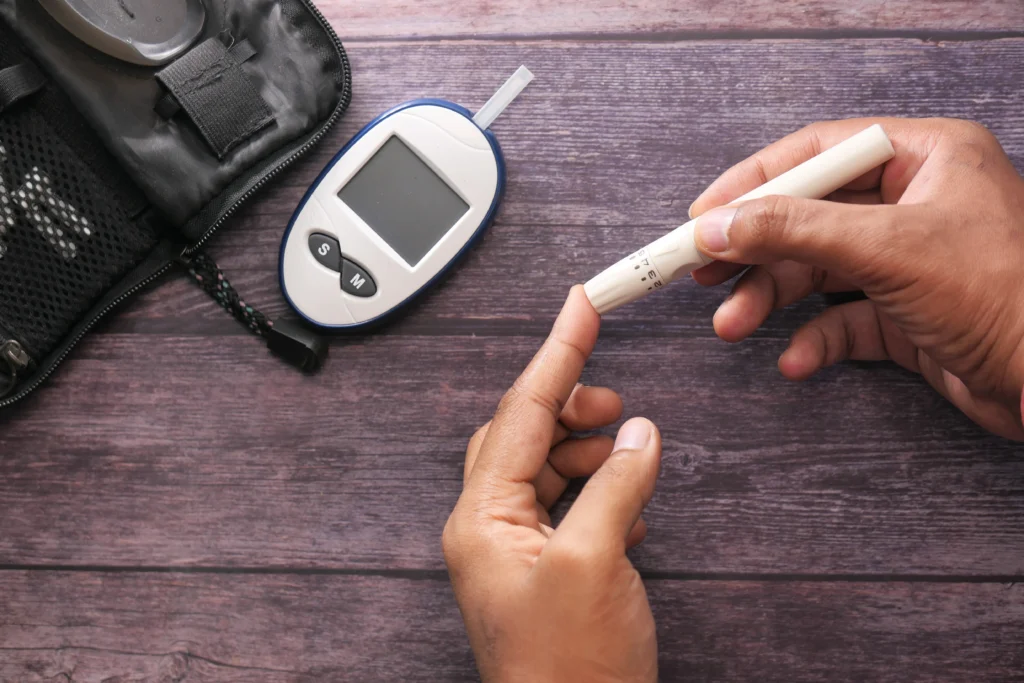
Your Spikes Follow Timing, Not Luck
The first pattern I noticed was meal timing.
When I delayed breakfast and had only coffee, my glucose response to lunch was significantly higher. When I ate a protein-rich breakfast at 8:30 AM, my post-lunch spike was 18–25 mg/dL lower on average.
That is real-time data.
With a Glucose sensor, I could see how sleep, stress, and timing influenced my numbers. Many people in India are exploring the Best glucose monitor in india not because they are diabetic, but because they want better Lifestyle Management.
Meal timing affects insulin sensitivity. Morning insulin sensitivity is generally stronger than late night. When we eat heavy dinners at 10:30 PM and sleep at midnight, our glucose clearance slows down. This pattern repeats.
If you’re wondering about continuous glucose tracking tips, start here:
- Eat within 60–90 minutes of waking.
- Keep dinner lighter and earlier.
- Avoid long fasting followed by heavy carb loads.
Patterns reduce guesswork.
Food Combinations Matter More Than Food Alone
Another breakthrough for me was understanding food pairing.
A plain bowl of poha gave me a spike of 160 mg/dL.
Poha with peanuts and curd? 132 mg/dL.
That’s not coincidence. That’s glucose physics.
Protein and fiber slow glucose absorption. This is basic Nutritional education, yet we rarely apply it practically.
In India, our diets are carbohydrate-heavy. Rice, roti, idli, dosa—these are cultural staples. I don’t believe in eliminating them. Instead, I believe in smarter structure.
This is where a glucose control solution becomes lifestyle-friendly:
- Add protein to every carb.
- Eat vegetables before starch.
- Move for 10 minutes after meals.
These small adjustments create measurable differences. For those asking about the continuous glucose monitoring device price in india, yes, it’s an investment—but the insight it gives into daily habits can prevent far more expensive health issues later.
This is not about restriction. It’s about precision.
Movement After Meals Is a Hidden Superpower
Here’s something fascinating:
A simple 10-minute walk after dinner reduced my spike by nearly 20–30 mg/dL.
In one of my recent tracking weeks, I compared two identical dinners. On the first day, I sat down to scroll on my phone. Peak: 168 mg/dL.
On the second day, I walked slowly while talking to my family. Peak: 138 mg/dL.
Movement activates glucose uptake independent of insulin.
This is why I always say: CGM is not just a Glucose monitoring device—it’s feedback.
And for those exploring the Benefits of continuous glucose monitoring for diabetes management, the same principle applies even if you’re not diabetic. Early metabolic dysfunction often shows up as exaggerated spikes long before diagnosis.
India is facing rising insulin resistance, PCOS, and metabolic disorders. Diabetes awareness must expand into proactive tracking.
When we understand patterns, we can create healthy living solutions that are sustainable—not extreme.
So, What’s the Pattern Telling You?
Your body is not unpredictable. It is responsive.
When you start seeing your glucose trends over 3–7 days, patterns emerge:
- Late-night eating equals higher morning fasting levels.
- Poor sleep equals exaggerated breakfast spikes.
- Stressful mornings equal delayed glucose recovery.
That’s not randomness. That’s physiology.
Many people ask me about the best supplements for insulin resistance. While supplements may support metabolic health, nothing replaces structured data, intentional Healthy eating, and consistent movement.
My personal glucose management formula is simple:
Awareness + Timing + Combination + Movement.
If you want practical guidance on how to measure glucose level and use that data wisely, I regularly share insights on Instagram, LinkedIn, YouTube, and Facebook. That’s where I break down real-life experiments and patterns from my own tracking.
Because this isn’t just about numbers.
It’s about energy in the afternoon.
Clarity in meetings.
Stable moods with your family.
And building metabolic resilience for the future.
Your glucose spikes aren’t random.
They’re messages.
When you start listening, you stop guessing—and you start thriving.
To get the newest information on how to monitor glucose level, follow Gluco Gal on Instagram, LinkedIn, YouTube, and Facebook.