Have you ever been daft and drowsy-looking after having a fat meal? The post-lunch shoot is not merely about eating too much but rather is a reaction of the body to an increased level of blood glucose.
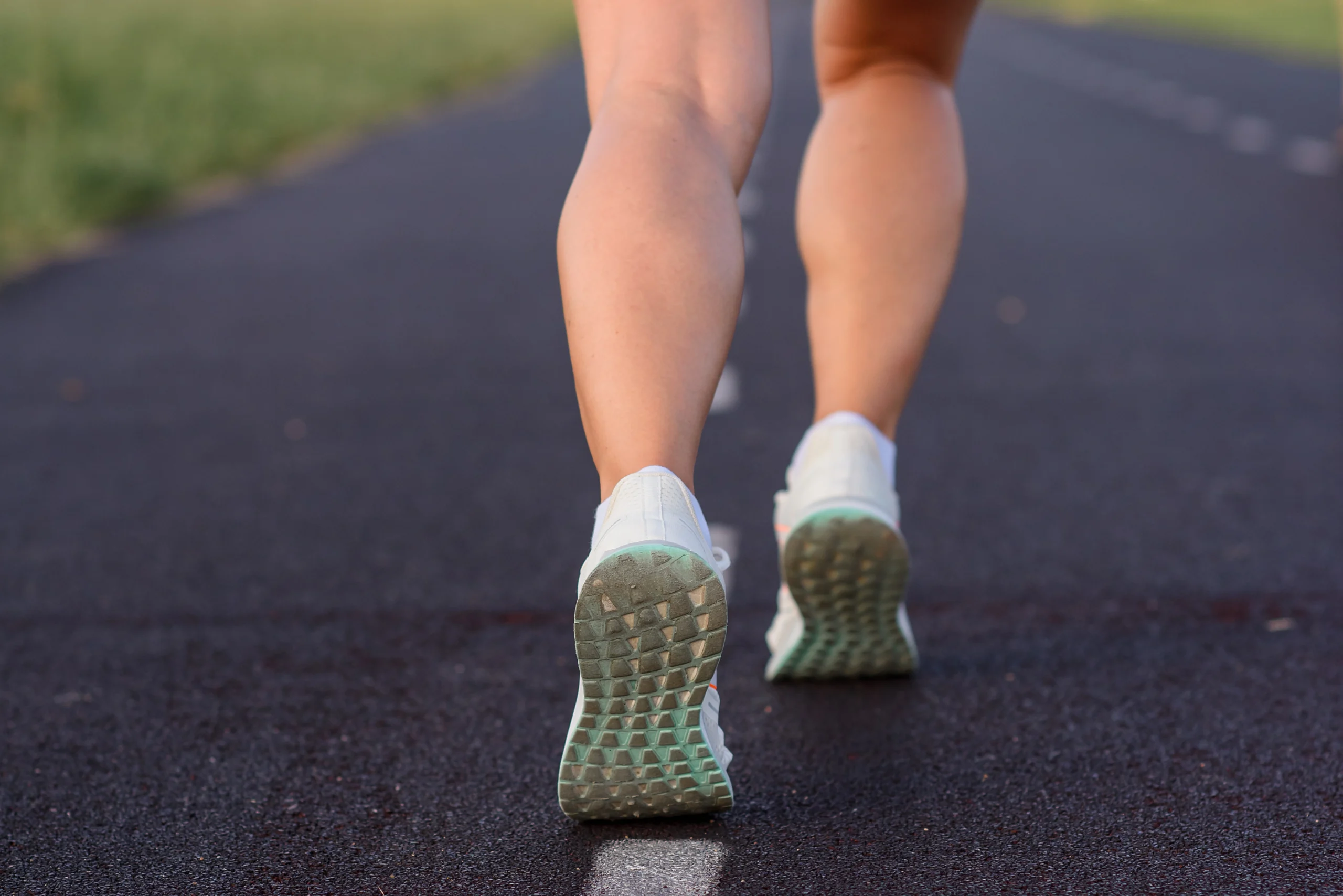
However, this is what is surprising: you do not even have to engage in an intensive work-out to help. Even pushing your calves, that is, the muscles of your lower legs, immediately after eating can make a significant contribution to maintaining glucose levels.
This small but mighty movement will support healthy living solutions, be used to better Lifestyle Management, and increase the outcome tracked by Real-Time Glucose Monitoring in this blog.
Reasons Why Moving is Important After Restaurants
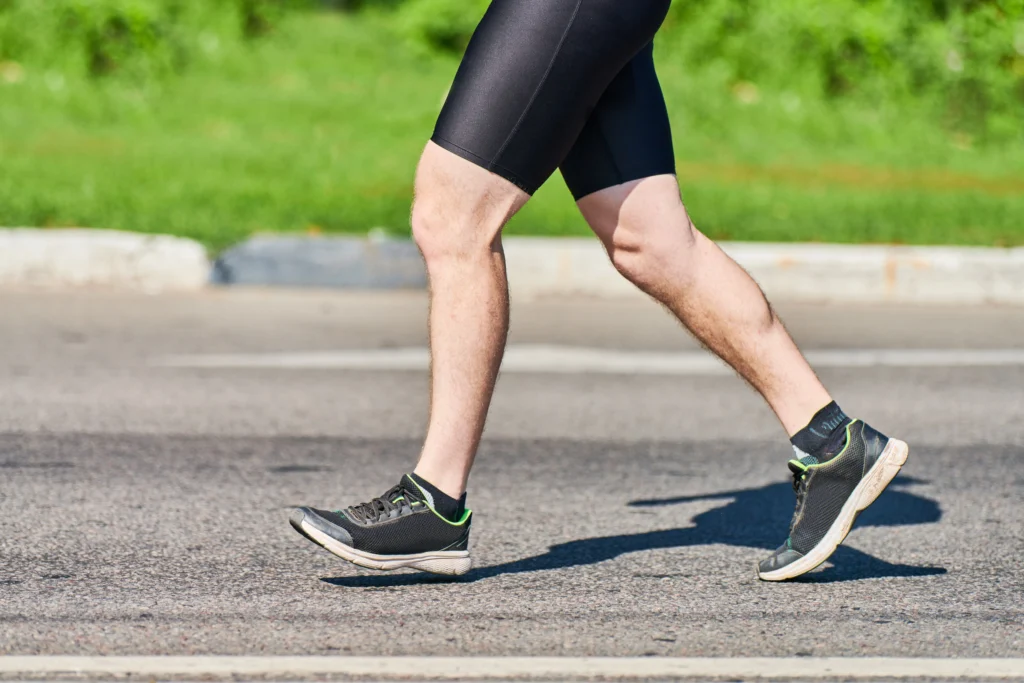
By sitting down after meals, food glucose is soon absorbed into blood and unless they move around, their body muscles do not utilize this efficiently. The more we sit, the more our glucose levels may start getting high, particularly upon consuming carb on heavy meals.
Moves of the calf like simple heel raises or just flexing itself on the ankle activate the calf muscle that is very strong — the soleus muscle in your calf functioning as a second heart. Once turned on, it assists in the absorption of blood and glucose in the blood into the muscles, which can assist in using glucose and avoiding spikes.
It is among the most basic and yet efficient solutions of glucose management — the one that can be performed everywhere, anytime, and does not need any gym equipment or a significant amount of time.
What Are The Most Important Advantages of Calf Movement in the Regulation of Glucose?
- Live Blood Saccharimetry:
It has been found that little muscle contractions following food boost glucose intake, decreasing the cost of spikes following evenings — a significant triumph in metabolic fitness. - Enhanced Economy and Blood Flow:
Calf raises ensure blood flow and one does not experience that dense and fatigued feeling that comes after huge meals. - Promoting Lifestyle Management Objectives:
Such a micro-movement habit easily goes hand in hand with Lifestyle Management methodologies and particularly with individuals who are spending hours sitting on desks at their workplace or commuters. - Complementary to Real-Time Glucose Monitoring:
Nevertheless, with the help of Real-Time Glucose Monitoring devices, you can observe the changes in glucose levels before and after putting calf raises into practice — one of the real-life incentives to be consistent.
What Is The Science of Cow Walking and the Glucose Consumption?
As you flex your calves, the only muscle that is involved is the soleus muscle; which is a glucose sink — takes in blood sugar and burns it as fuel. Even mild contractions trigger enzymes which sweep glucose into the cells and this is done without relying on insulin alone.
This would be of significant help especially to those who are interested in having long-term healthy living solutions, as it assists in enhancing insulin sensitivity and inflammation due to frequent glucose spikes.
It is Possible to Practice the Calf Movement Technique in the Following Way
It does not require a time-consuming workout — this is how you can begin small and achieve actual results:
- Sit or Stand in Comfort: Position your legs flat on the floor, hips approximately spaced.
- Lift Your Heels: This should be done slowly and you should have your heels lifted and retain the toes fixed on the ground.
- Hold a Second: You can feel your calf muscles squeeze.
- Lower Back Down: Change the heels slowly to the floor.
- Repeat 20–30 Times: This should be done in 1–2 minutes immediately after a meal or at your desk when you are working.
However, a couple of groups of these movements every two or so hours can aid in reduction of the post-meal glucose levels, particularly combined with the mindful Healthy eating.
Mistakes and Ways to Prevent Them
It is a simple exercise but they have to be careful and avoid some errors:
- Being Inconsistent: It will not give you results by doing calf raises every now and then. Make it a ritual after every mealtime.
- Bad Posture: Your back has to be straight and you shall not lean over your knees.
- Possible Interpretations: Calf raises distance themselves.
- Disregards Data Feedback: Control your body’s unique ways of responding to glucose and change your habit using Continuous glucose tracking tips.
These minimal changes, due to their intentionality, can result in a major change in the management of glucose.
What Are The Trends and Research in Favor of Micro-Movements?
The current wellness trends focus on the power of so-called micro-activity, or little and consistent motions that can substitute the periods of intense sedentary lifestyle.
Real-Time Glucose Monitoring is making people witness first-hand how two minutes of mild exercise could level glucose spikes on a major scale after they eat.
This change is also being propagated by wearable technology and Lifestyle Management applications which help individuals to include micro-exercises such as calf raises, desk stretches, or even a short walk during the day.
It is not merely fad but an evolution of lifestyle which is supported by science.
Make Small Loads to Improve the Glucose Health
You do not have to have a marathon or a workout plan to maintain your glucose level. When we perform small steps to change behavior such as moving calves after food, it is significant, and with time, it will change.
Combine with Real-Time Glucose Monitoring and watch the progress and make better Lifestyle Management behaviors that are lasting.
These slight behavior changes cluster and are the basis of the healthy living solutions where moderation, consistency, and minor daily decisions provoke wellness in the long run.
Conclusion
It might appear that simply transferring your calves to post-meal walks is not a big deal, but this is an easy, science-proven habit that increases the use of glucose, blood flow, and energy.
It is one of those little things that can change a lot in your general health chosen together with Real-Time Glucose Monitoring and mindful Lifestyle Management.
Whenever you stand up, lift your heels and walk after meals, you are putting in place a smarter and more secure glucose control solution in your body.
Be glucose-smart with GlucoGal — be food-aware on Instagram, YouTube, and Facebook.