Hey, GlucoGirl!
You asked, “Fruit on an empty stomach?” and I said, “NOPE.”
Why? Because the small things you do each day count when you work to keep your glucose in check. I’m Krishika Agicha, and after years of trying food, glucose sensors, and life changes, “I’ve learned that caring for your glucose doesn’t mean giving up everything you enjoy—it’s about making smarter swaps.”
Here are some of my glucose-friendly tips that aren’t just talk, they’re proven to work through Real-Time Glucose Monitoring.
Fruit on an Empty Stomach vs. Fruit with Fats/Protein
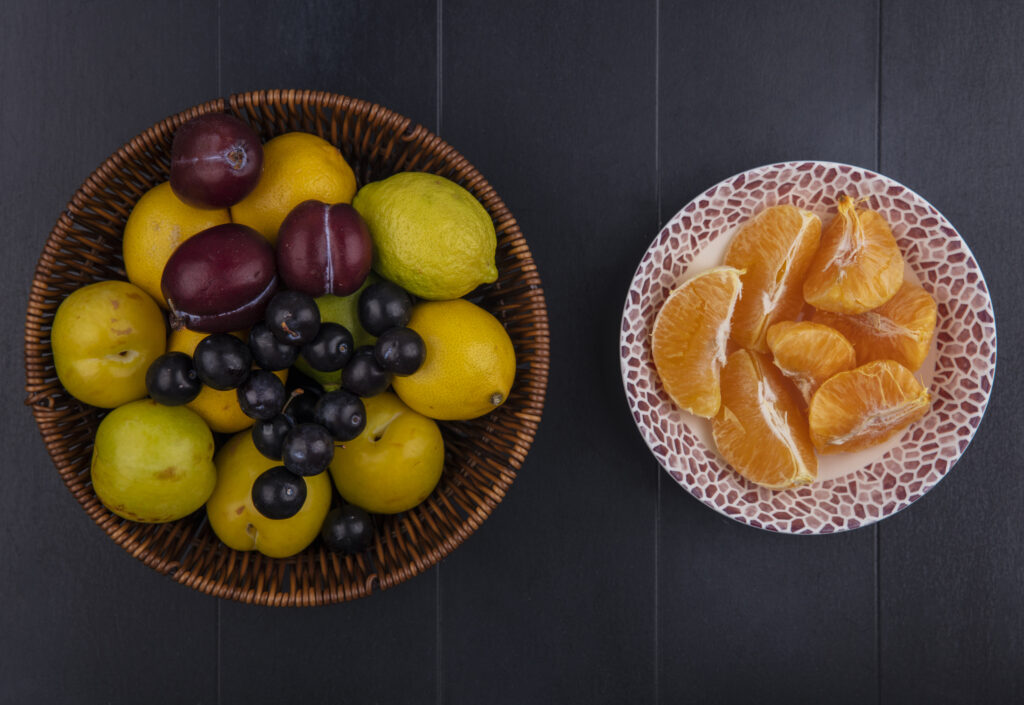
If you eat a banana first thing in the day, your glucose might get a sudden spike. I have experimented with my glucose monitoring device, and the spike is scary.
But how to fix it? It is easy.
Have your fruit with:
- A spoonful of peanut butter
- A bowl of Greek yogurt
- A few soaked almonds
When you add healthy fats and protein, it makes the sugar go in slowly. This keeps your glucose at a controlled level. This is a good way to live, to know what to eat and when.
Pro tip: Is it mango season? Don’t miss out, just don’t have it alone. Pair it with curd, whip up a mango raita, and you’re good to go..
Boiled Potato vs. French Fries
We all love potatoes.”But there’s a big difference between a boiled aloo with its skin on and a plate of fries.
From my own Real-Time Glucose Monitoring checks, fries are a big jump for your sugar, most of all when cooked in unhealthy seed oils and paired with ketchup.
A better swap?
Pick a boiled or air-fried potato. Add some ghee, rock salt, and haldi—it fills you up and is great for your glucose levels.
Bonus: If you eat a cold boiled potato the next day, it has more resistant starch. This is good for your gut and keeps insulin levels at a good level.
Raw Salad vs. Cooked Vegetables
Here’s one that may seem completely unheard of.
Many people think raw greens are always best, but raw food can be hard for your body to break down. This is true if your gut is not at its best.
When I compared my glucose after a raw salad versus a warm one, there wasn’t much change, but I felt better with the cooked food
Glucose tip: Add mustard seeds, jeera, and ghee for more power to help your blood sugar.
This is why I always say listen to your body, not just what you see online.
Milk vs. Curd
This one’s tricky, milk affects glucose differently for everyone, and it’s not the same with full-fat milk versus other types
But curd? It is always good for the gut.
It is full of probiotics and goes well with high-carb food like rice or paratha to keep your sugar in a good place.
Use Continuous Glucose Monitoring India tools (like the ones we say to use on GlucoGal!) to see this for your own self.
Diet Coke vs. Regular Coke
“Let me be clear:
Regular Coke = tough on your glucose. It’s loaded with free sugar, and your body struggles to handle it.
Diet Coke? Not great—but not as bad. It didn’t spike my glucose when I checked on my CGM, but it’s still best in moderation
If you’re craving a drink like this, try:
- Sparkling water + lemon + pink salt
- Soda + mint + stevia drops
They taste good and are glucose-friendly!
What My Glucose Sensor Told Me
Thank you to Continuous Glucose Tracking Tips and tools like glucose sensors, I do not have to guess now.
I use what I’ve learned to choose my food because not every so-called ‘good’ food works the same for everyone. That’s why I always say: flip the pack, read the back, and test your snack
Conclusion: Your Glucose, Your Rules
Living a glucose-friendly life doesn’t mean eating bland food; it just means making small swaps that make a big difference.
Want to eat cake? Do it—after a protein-dense meal.
You want fruit? Eat it with fat.
You want fries? Air-fry them. Add haldi. Eat them with curd.
You get the idea!
To have good glucose is not about what you can’t have. It is about what you know.
Stay Connected
Want more good food ideas and tips?
Follow us on Instagram, YouTube, and LinkedIn. We are making a big group for ways to live a good life—and we want you to be with us.